




Surviving the Night: Your First Steps Into Animatronic Terror
Horror games have a special magic that no other genre quite captures. They don't just scare you with jump scares—though those definitely happen. They build tension, force you to make split-second decisions, and create this underlying dread that sticks with you long after you've closed the game. Unlike passive horror movies, you're actively controlling your fate. Your choices matter. Your mistakes cost you. And that's what makes the experience genuinely terrifying in the best possible way.
What Makes Modern Horror Games Different
The beauty of contemporary horror titles is that they've evolved far beyond simple "run and hide" mechanics. They blend psychological tension with resource management, storytelling with interactivity, and atmosphere with genuine gameplay challenges. You're not just experiencing a scary story—you're solving puzzles, managing limited resources, and outsmarting intelligent threats. It's this combination that keeps players engaged and coming back for more.
Inside the World: How Games Like Fnaf Work
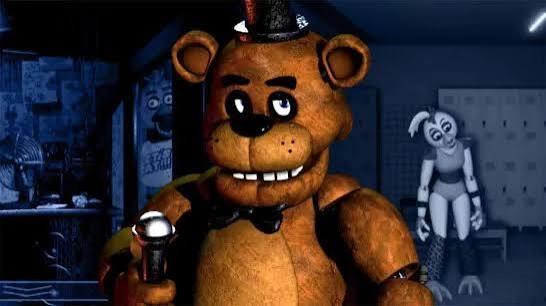
Let's talk about Fnaf specifically, since it's become something of a cultural phenomenon in horror gaming. The premise is deceptively simple: you're a security guard working night shifts at Freddy Fazbear's Pizza, monitoring the establishment through security cameras. Sounds boring, right? It's anything but.
The tension builds gradually. You're sitting at a desk surrounded by surveillance monitors, and you can see animatronic characters positioned throughout the restaurant. At first, they seem harmless—just robotic entertainers frozen in place. But as the night progresses, they move. They navigate the halls. They get closer. And your job is to track them, lock doors, and manage your limited power supply to keep them out of your office.
The gameplay loop in Fnaf is brilliantly straightforward: monitor cameras, manage resources, and survive. You can't fight back. You can't run. You can only observe, react, and hope your power holds out until 6 AM. It's this helplessness combined with the constant threat that creates genuine horror. Every movement on those cameras means something. Every corridor is a potential danger zone. Every sound outside your office door makes you wonder if this is finally the end.
Master These Strategies Before Your First Night
Going into Fnaf or similar horror experiences blind is part of the charm, but a few pointers can smooth your first encounter. Start by learning the layout of your environment—know where exits are, which rooms connect, and how to track threats effectively. Take your time studying camera feeds without panic. Rushing usually leads to costly mistakes.
Resource management is crucial. Whether it's power, ammunition, or time, you're always working with limited supplies. Learn to prioritize. Don't waste resources on minor threats. Save them for when you really need them. In Fnaf, this means understanding which doors need locking and which hallways can be left alone.
Listen to audio cues carefully. Horror games communicate danger through sound design—creaking doors, mechanical sounds, breathing, footsteps. Your ears are as important as your eyes. Many threats announce themselves before you see them. Stay alert, but don't let every noise send you into panic mode. Distinguishing between real danger and environmental ambiance is part of mastering these games.
Patience beats panic every single time. The moment you start making frantic decisions is when things fall apart. Take a breath, think through your options, and execute deliberately. Horror games reward composed thinking and punish reactive behavior.
Why This Genre Matters
There's something valuable about willingly stepping into uncomfortable situations within a safe digital space. Horror games let us experience fear without real danger. They challenge our problem-solving skills under pressure. They tell stories that mainstream entertainment rarely explores. And honestly, they're just plain fun in a way that other genres can't quite match.
Ready to Get Scared?
Whether you choose Fnaf or explore other horror titles, remember that the best gaming experiences come from embracing the experience fully. Don't minimize the window, mute the sound, or turn on the lights. Let yourself be immersed. That's where the real magic happens.
The horror genre isn't for everyone, and that's perfectly fine. But if you've been curious about what all the fuss is about, there's no better time to dive in. Your first night might terrify you, but chances are you'll be back for more. That's the mark of truly exceptional horror gaming.